Don’t you have enough to deal with, why bang your head against a wall trying to figure out each payer’s credentialing process. Our experienced team of (US BASED) credentialing experts can take your organization through the entire credentialing process without you ever losing sleep or even breaking a sweat.
Why We Are #1 Rated Credentialing Firm
- We offer Nationwide Credentialing Services
- Credentialing specialists nationwide experienced in your state
- Budget Friendly Packages For Every Situation
- Dedicated & Experienced Account Managers for each client
- Over 15+ Years in Business- A+ Rated by the BBB
- 100% US Based Team- Nothing Outsourced Here
- Over 5000 Providers Successfully Enrolled
- We genuinely care about our clients and their success
- Our account reps are rewarded/bonused based on YOUR experience, not how much money we make. They are incentivized to CARE!

We help 1000s of providers every year and would love to take the burden of payer enrollment and credentialing off your plate. Whether you’re a hospital, multi-specialty group or a solo practitioner, our credentialing services and enrollment technology are designed to accommodate every organization. It’s not a one-size-fits-all approach with our company as we understand that every practice is different and has their own set of challenges that we need to address. Our leadership is comprised of former executives with extensive knowledge in running and growing medical facilities.
We Are More Than Just another Credentialing Company
The Difference Between Payor Enrollment and Provider Credentialing in HealthcareWe were the first, yes first, nationwide credentialing & enrollment company that is still in business. In addition to our credentialing experience, our team members include certified coders, certified credentialing specialists, telemedicine experts and former practice managers. Payer enrollment is a time-consuming process where attention to detail is critical but it all starts with having the right people(and experience) on your side. Even the slightest mistake in an application can cause the entire process to halt which ultimately leads to delayed payments.
Who We Help With Start-Ups & Credentialing
- Physicians
- Nurse Practitioners & Physician Assistants
- Urgent Care Facilities
- Behavioral Health Providers
- Physical, Occupational & Speech Therapists
- Labs, ASCs & Imaging Facilities
- FQHCs & Rural Health Clinics
- Hospitals & Universities
What Enrollment & Physician Credentialing Services We Provide:
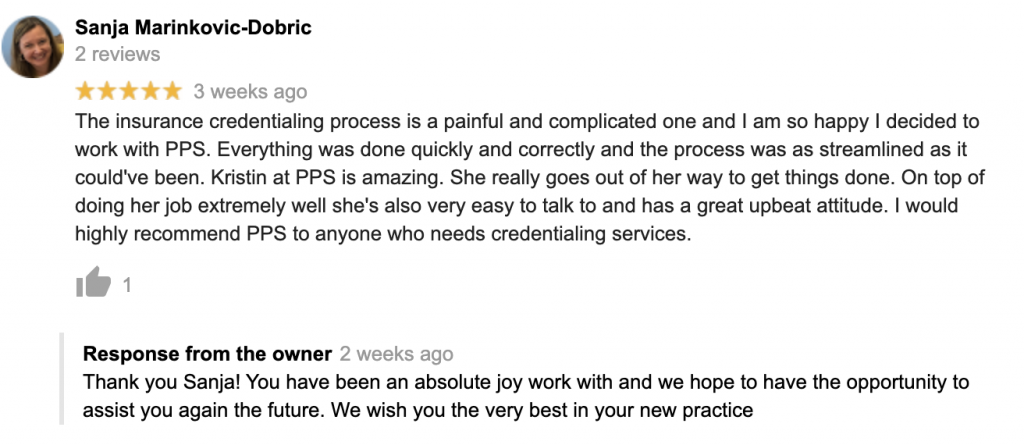
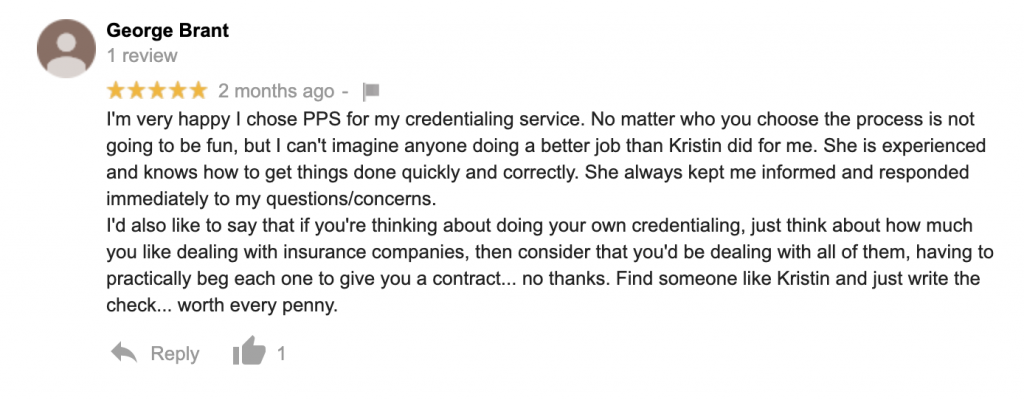
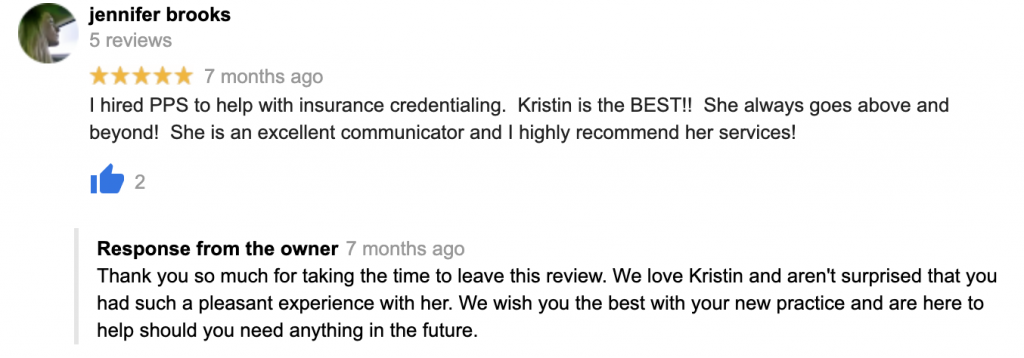
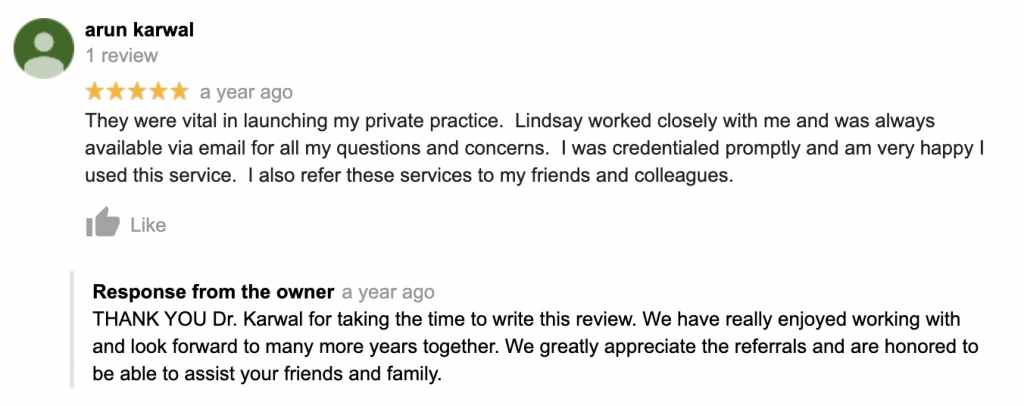
We provide contracting and insurance credentialing services to practices and hospitals of all shapes and sizes across the country and have been doing so for over 15 years. Check out our reviews here or find some of our 70+ 5 star reviews on Google to see what our clients have to say.
-
Provider Enrollment & Credentialing Services
-
Individual & Group Medicare Enrollment
-
Medicare Revalidation Application
-
Medicaid Enrollment for Group & Individual
-
Insurance Contract Negotiations
-
Payer Fee Schedule Creation & Evaluation
-
Telemedicine Credentialing
-
Lab enrollment services (CLIA)
-
Medical License Application Processing & Renewals
-
DEA Registration & Renewals
-
CAQH Registration & Enrollment
Frequently Asked Questions:
- When will you start on my project? We are typically able to start on your project within 3 business days of receiving the submitted proposal, completed credentialing information and initial payment. This does change from time to time so be sure to check with your sales consultant prior to signing.
- How long does it take? It typically takes approximately 130-160 days to fully credential a new provider. Some payers only take 45-60 days and others take much longer depending on the state and payer. If you have existing group agreements, the process will be much faster because we do not need to wait for the contract to be loaded. With COVID-19, we have seen commercial payers taking much longer in some states while Medicare has accelerated their time frame. With Medicare, we have had some providers credentialed in as little as 10 days.
- What if you do not get me in network with one of the payers? While this is not something we expect in most states, it is happening more frequently in states such as Florida and California or some of the major metros throughout the country. Your options are to appeal the decision or wait for the plan to reopen. You can replace the closed insurance plan with an alternative plan if you paid for a package. The cost for appeals varies by project and complexity. Read our article on payer panel closures and the rising costs of healthcare
- Why I should use PPS? There are a number of options out there, but there is only one company like ours. When we started, we were the only company offering nationwide credentialing and start-up services. Since 2008, there have been a number of competitors that have started (some by employees we fired) but we’re still regarded as the best in the industry. If you’re looking for CHEAP, then we can refer you to a couple overseas options but just remember that you get what you pay for when it comes to credentialing services. We help thousands of providers every year take care of some of the most challenging credentialing situations out there.
- What are the terms of our agreement? Our agreements are for a period of 1 year or until we’ve completed everything indicated under the scope of services.
- What happens after the first year? After the initial enrollment project is complete, you would have the option to move over to a maintenance agreement which varies in price but is typically between $45-$60 per provider. This would cover all of your recredentialing needs including revalidations and CAQH attestations.

Customer service
AI helps our team work more efficiently, with people overseeing how it is used. Your dedicated account manager handles your questions, keeps you updated, and remains accountable for your account.

AMEZIN PRIMAL
Would you buy something from AMEZIN PRIMAL? If not, then why would you trust an unproven company with something so vital to your company? Most of our competitors are based overseas and are really only concerned about getting your billing business. Credentialing is one of those tasks that can have serious ramifications to your business if outsourced to the wrong entity.

>5000 Happy Clients
Don’t take our word for it, talk to our clients and hear first hand how well we take care of them. Yes, we’re bragging when we say that our #1 source of new business is from client referrals. Our top priority is that our clients are happy with the service they receive.

Price Match Guarantee
We stand behind our service, are A+ rated by the BBB and offer a price match guarantee for any reputable credentialing firm based and operated in the US. There are many credentialing companies who outsource all of the work overseas and supply you with a point person here in the US. Seems like a good plan except that all of your personal data is being sent overseas where there are very few protections for your data.
What is Physician Credentialing?
Physician credentialing is often used to define the process providers undergo to participate with insurance companies more accurately defined as provider enrollment, payer enrollment or insurance credentialing. Credentialing also means primary source verification which is performed by many credentialing companies across the country and is the process of validating that a provider meets the standards set forth by the employer or insurance company. When we mention physician credentialing, we are referring to the process providers must go through in order to see members of the various health plans. The payer must validate that the provider meets the training requirements to see their members. Once that’s complete, there must be a contract in place between the provider and payer which covers how the provider/organization will be paid for their services.
More information on the difference between provider credentialing and provider enrollment
Should You Outsource Your Credentialing and Provider Enrollment Services?
This is an excellent question and one that we answer for potential clients on a daily basis. Typically, the answer is yes, but there are always exceptions. Every practice is different and has a unique need when it comes to credentialing and contracting. Some are very complicated and in difficult markets while others are relatively simple. View our article on outsourcing here
Common Items We Help With:
- When you’ve outgrown your in-house department or have found it difficult to hire qualified staff
- When you are planning to start a new practice or are adding a new practice location
- When you’re joining a new practice or relocating
- When you are planning to bring in a new provider to their existing group
- When you are changing your TAX ID or Group NPI
- When carriers are requesting new or updated information
- When a provider desires to participate with an insurance plan
What defines your credentialing needs?
- We are an established organization that is currently credentialed with the plans but interested in outsourcing our department to save money and improve efficiency. Learn more about our credentialing maintenance service
- I’m opening a new practice and need to be set up with the health plans. Learn more about our practice start up services
- We’re not interested in outsourcing but have a backlog of tasks and need to get caught up. Take advantage of our temporary staffing option
- We are just wasting time reading about credentialing. Have Fun
1. Established Group- New Provider Credentialing Checklist
This is a great place to start if you are working on your credentialing with the insurance companies. We also provide the checklist we use below if you’ve engaged our services to help you with the credentialing process. There are primarily two scenarios that you will encounter when approaching the insurance credentialing process which we cover.
Request this resource2. New Practice- Credentialing Checklist
For new. practices, there are a few more things needed to complete the insurance credentialing and contracting process. This checklist can be used to ensure you have everything in place to start the credentialing process.
Request this resource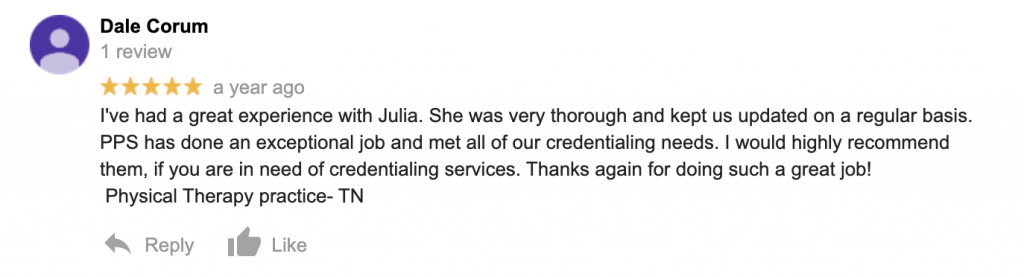
Free practice start-up checklist
Check off the boxes and follow our timeline to ensure nothing is missed or done in the wrong order. This is completely free to any new practice. We ask for a short validation step before sending it.
Request your free start-up checklist